
Last updated November 2025
If you’ve been convicted of a crime in Florida—or even just arrested—you might be wondering:
“Will this show up on background checks?”
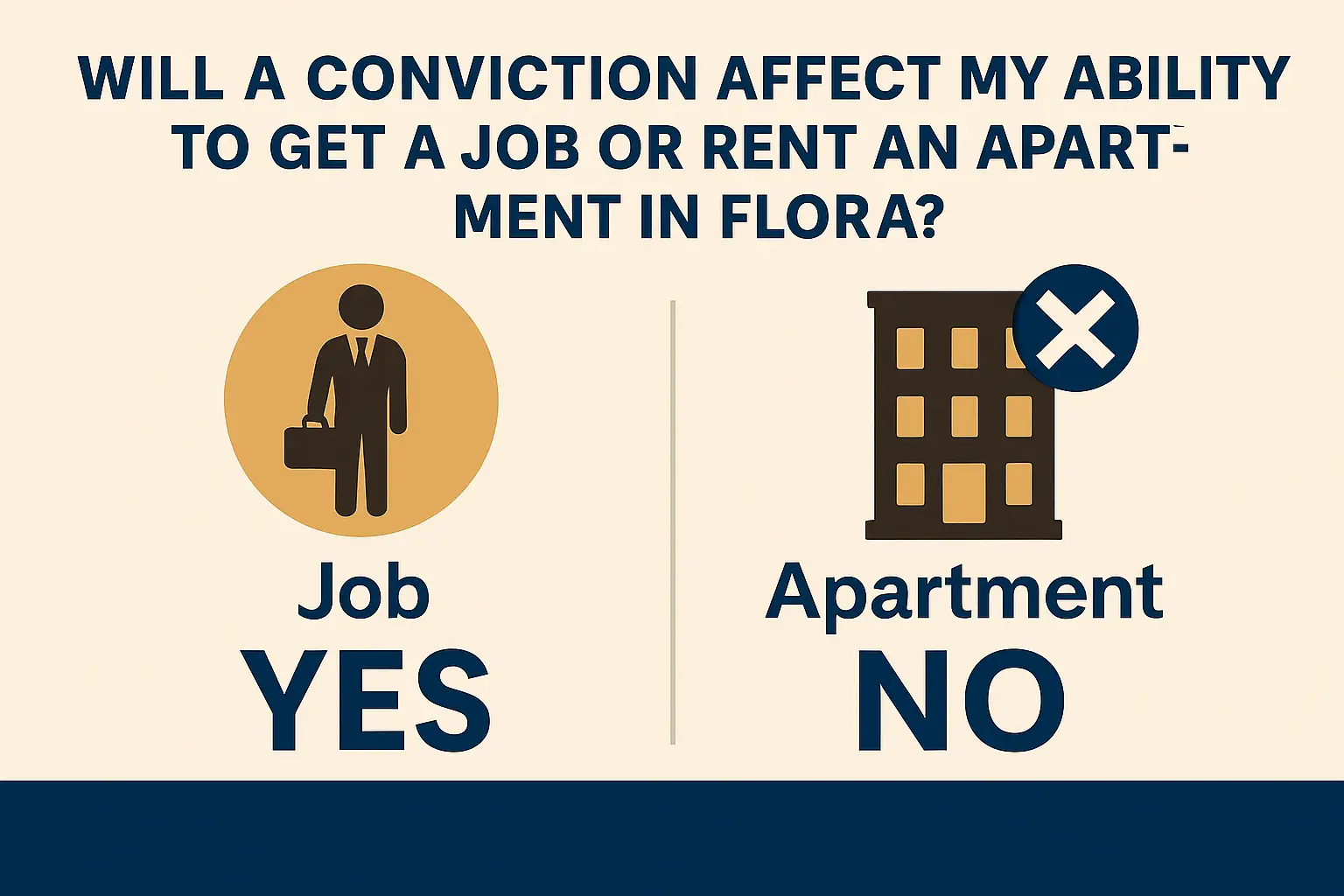
“Will I be able to get a job or rent an apartment?”
The short answer: Yes, a conviction can seriously impact your ability to move forward—but there may be legal solutions available to help.
👔 How a Criminal Record Affects Employment in Florida
Most Florida employers run background checks before hiring. A conviction—or even a pending charge—can:
❌ Disqualify you from finance, healthcare, education, or government jobs
📉 Limit career growth where licensing is required
🚫 Trigger automatic screening rejections for non-violent offenses
According to EEOC guidance, employers must consider factors like the age of the offense, job duties, and rehabilitation—not just rely on automatic disqualifications. (external link to EEOC)
Even pending charges can delay or block employment offers.
A skilled Fort Lauderdale criminal defense attorney can often negotiate outcomes—like adjudication withheld—that preserve your record and eligibility for future sealing.
🏠 How a Criminal Record Affects Housing
Landlords and property managers also conduct background checks—and many deny applications based on criminal records, especially for:
- 🔍 Drug-related convictions
- 🚫 Violent offenses
- ⏳ Pending charges (not just convictions)
Some apartment complexes have policies that automatically disqualify applicants with any criminal record—regardless of the circumstances.
🧼 Can You Clear Your Record?
Yes—if your case qualifies for record sealing or expungement under Florida law.
You may be eligible if:
Charges were dropped or dismissed
You were found not guilty
You received a withhold of adjudication
✅ Once sealed or expunged:
Employers and landlords cannot see the case on most background checks
You can legally deny the incident occurred (with limited exceptions)
For many clients, this means the difference between a rejection and a fresh start.
⚖️ Why It Matters to Act Early
The outcome of your criminal case determines your long-term opportunities.
If you’re facing charges like DUI, learn more from our Fort Lauderdale DUI lawyer page—since DUI convictions require adjudication and can block future sealing.
🛡️ Don’t Let a Past Mistake Define You
At Michael White, P.A., we help clients across Broward and Palm Beach clear eligible records and restore opportunity.
We handle record reviews, petitions to seal or expunge, and motions to modify background-check entries.
📲 Call (954) 270-0769 or request a free consultation today.
❓ FAQs: Criminal Records & Background Checks in Florida
Q1: Will a conviction show up on background checks?
A:Yes. Most checks display felony and misdemeanor convictions and pending charges.
Q2: Can I be denied a job because of a record?
A: Yes. Employers in regulated fields may lawfully reject applicants with certain convictions.
Q3: Can a landlord deny my application for a conviction?
A: Yes. Florida landlords can reject tenants based on criminal history, especially for violent or drug offenses.
Q4: Can sealing or expungement help with jobs or housing?
A: Absolutely. Once sealed or expunged, your record won’t appear in most private background checks, and you can legally deny the incident in most applications.
Q5: Do pending charges affect applications?
A: Yes. Pending charges can appear and delay hiring or rental decisions until resolved. Early legal intervention is crucial.